
A Historic Closing High — and Two Catalysts That Could Define What Comes Next
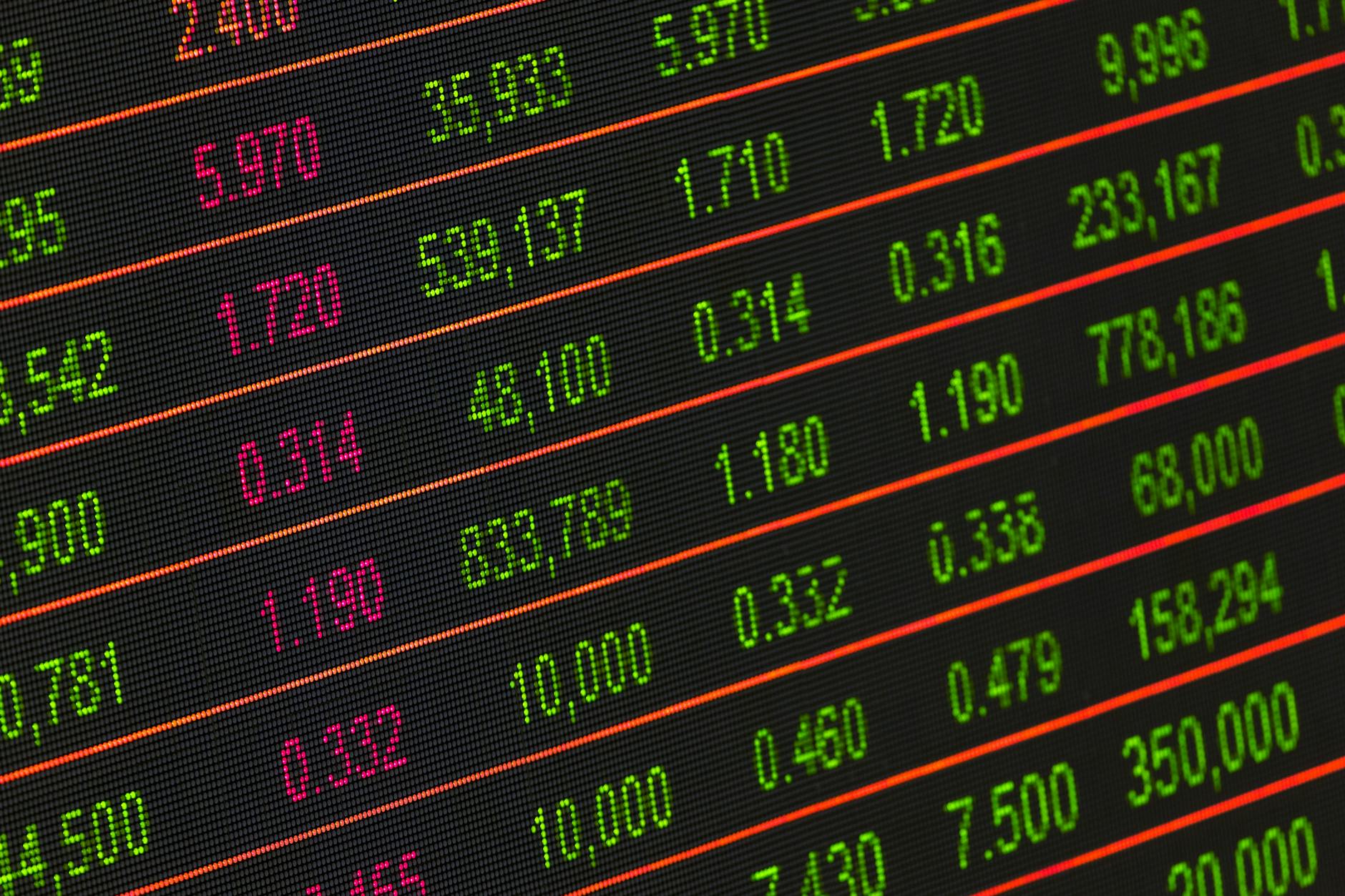
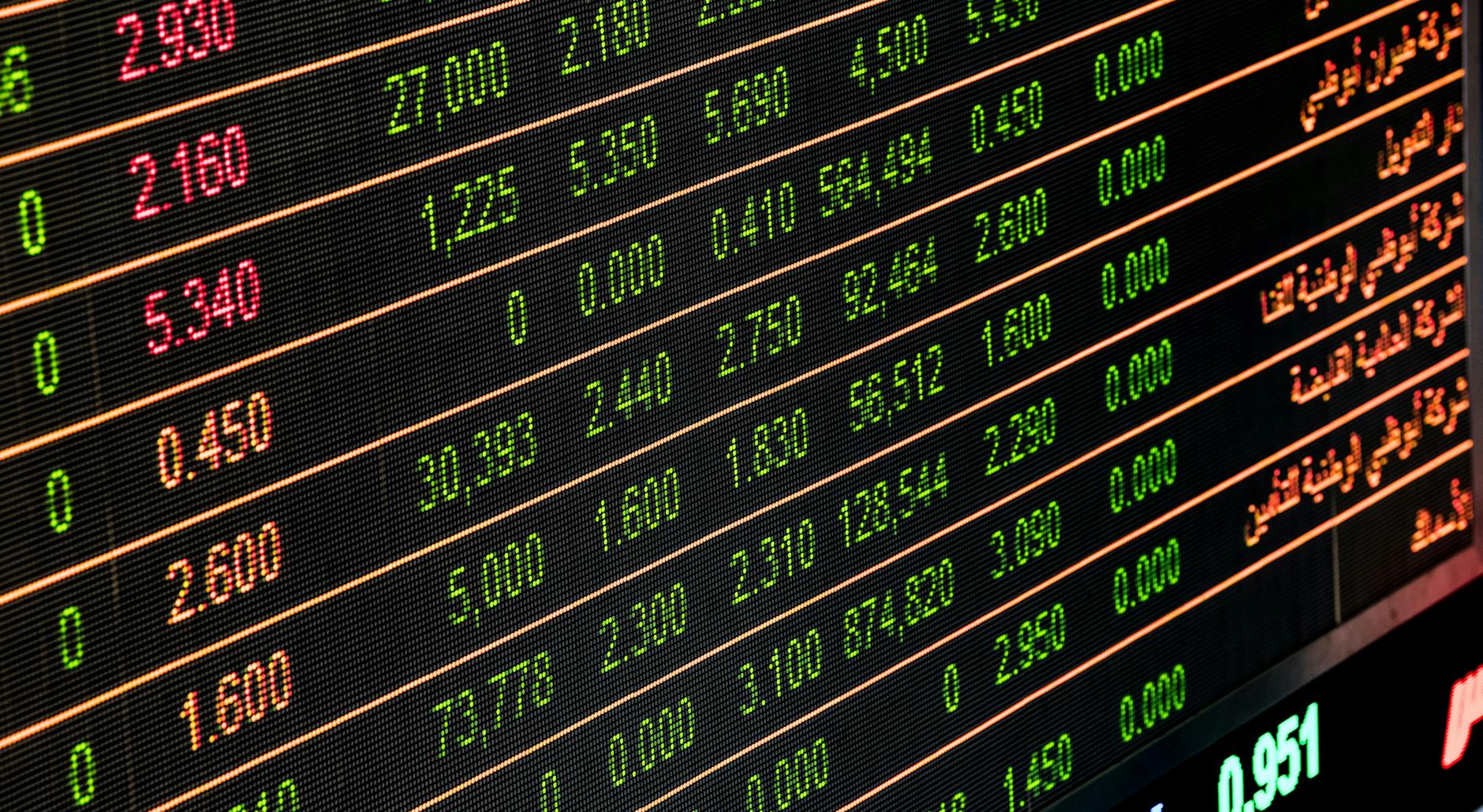
Markets rarely arrive at all-time highs quietly, and August 10, 2026 is no exception. The S&P 500 posted its best weekly performance since April last week, settling at a record closing high on Friday — a milestone that shifts the psychological and technical landscape for institutional positioning heading into the week. S&P 500 futures are extending those gains Monday morning, but the tone is unmistakably cautious. Two macro events are holding traders in a state of disciplined attention: the ongoing Strait of Hormuz diplomatic negotiations and the release of US Consumer Price Index (CPI) data, which will give markets the clearest read yet on whether inflation is genuinely decelerating toward Federal Reserve targets.
What makes this moment analytically significant is the convergence. Geopolitical resolution and cooling inflation would, in combination, represent a powerful macro tailwind — lower energy costs feeding into goods and transport prices, with softer CPI data potentially reopening the conversation about Fed rate cuts. Traders are not simply buying euphoria; they are positioning around a very specific macro thesis. Whether that thesis gets confirmed this week is the central question.
The Strait of Hormuz: Why Energy Geopolitics Are Moving Equities
The Strait of Hormuz is one of the world's most strategically critical energy chokepoints, carrying an estimated 20 to 21 percent of global oil trade through its narrow corridor. Any disruption — real or threatened — has an outsized effect on oil prices, shipping costs, and by extension, the inflation inputs that the Federal Reserve monitors most closely. Reports of a potential deal to stabilize transit rights and de-escalate tensions in the region have directly contributed to risk appetite across equities, while simultaneously applying downward pressure on safe-haven assets in early trading.
Gold, which has been a central beneficiary of geopolitical uncertainty in 2026, is itself at a technical inflection point. Analysts are citing $4,432 as a critical level — a price zone where a confirmed hold could extend the bullish trend, while a failure could signal a rotation back into risk assets as fear premiums unwind. Silver is also in focus, with technical analysts pointing to a bullish head-and-shoulders pattern on XAG/USD that carries a measured target of $67.17.
Geopolitical risk premiums embedded in commodity prices do not unwind linearly — a Hormuz resolution, if confirmed, could produce rapid repricing across energy, shipping, and related equity sectors simultaneously.
CPI Data: The Inflation Print That Could Reshape the Rate Narrative
With the equity market at record levels, the margin for disappointment on Tuesday's CPI report is unusually thin. Treasury yields are already inching lower in anticipation of a benign print, reflecting a market that has, to some degree, pre-priced a soft outcome. According to analysts, consensus expectations center on a continued moderation in headline and core inflation, though services inflation remains the stickiest component and the one most likely to surprise to the upside.
The Fed has been explicit that it needs sustained evidence of disinflation before adjusting its policy stance. A CPI print that confirms that trajectory would give the equity market a fundamental anchor for this rally. A hotter-than-expected number, however, could rapidly reprice rate-cut probabilities and put the all-time high close under technical pressure.
Key Levels and Data Points to Watch
- S&P 500: Record closing high established Friday — markets are monitoring whether futures momentum translates into a confirmed opening extension
- Gold (XAU/USD): $4,432 identified as the pivotal technical level for trend continuation
- Silver (XAG/USD): Bullish pattern targets $67.17 according to technical analysts at FXStreet
- Treasury Yields: Edging lower ahead of CPI, reflecting pre-positioning for a softer inflation print
- US CPI: Due for release Tuesday; core services inflation is the component attracting the most scrutiny
What DANA's 21-Agent Council Is Monitoring on SPY
DANA's AI council — a 21-agent framework covering 230 US equities across specialist disciplines — currently carries no active directional signal on SPY. That absence is itself informative. DANA's architecture requires a 12 of 17 weighted votes, representing a 70.6 percent supermajority, before any BUY or SELL signal is issued. The bar is deliberately high, designed to filter out noise and surface only the highest-conviction setups.
In an environment like this — where two unresolved macro catalysts are sitting directly ahead of the market — that selectivity is precisely what the system is built for. Agents including ROSA ROSA, which tracks institutional hedge fund 13F flows, and FLUX, which monitors ETF capital movements in real time, would need to see a coherent, cross-disciplinary alignment before the council moves to a signal. ARIA, the momentum specialist, is watching whether the record-high close generates sustained buying interest or constitutes a short-term exhaustion signal. FARAH is cross-referencing earnings revision trends, while SCRIBE continues parsing SEC filings for any corporate disclosure that might precede a sector-level inflection.
All signals — when and if they emerge — are published on DANA's live signals page and are intended as general educational information, not personal investment advice. The council's methodology is documented in full on the analytics hub.
Why No Signal Is a Signal
Markets at all-time highs with unresolved geopolitical and inflation risk sitting in the immediate calendar are precisely the conditions where disciplined frameworks wait for clarity. The absence of a council-level BUY on SPY does not imply a bearish view — it reflects the rigorous evidentiary standard the council applies before committing to a position thesis.
The Broader Market Mosaic: Gold, Silver, and the Risk Rotation Trade
The simultaneous movement in gold, silver, Treasury yields, and equity futures is not coincidental — it reflects a market actively repricing the probability of two outcomes: geopolitical de-escalation and policy easing. If both materialise, the rotation from defensive assets into risk equities could be significant. Sectors most sensitive to this dynamic include energy, industrials, and rate-sensitive growth equities. However, analysts caution that partial outcomes — a Hormuz deal without CPI confirmation, or vice versa — may produce mixed and volatile cross-asset responses rather than a clean directional move.
Take Action
The confluence of a record S&P 500 close, Hormuz diplomacy, and an imminent CPI print makes this one of the more analytically dense weeks of the year. Understanding what is driving markets — and what the risks to the current thesis are — requires more than a single data point. DANA's council-based approach aggregates institutional flow data, momentum signals, earnings intelligence, and macro context into a single framework built for exactly this kind of environment.
Explore the full methodology and see how the council approaches high-conviction signals in the strategy guide. When conditions resolve and the council reaches supermajority alignment, all active signals are published in real time at live signals. DANA provides general market information and educational content — all output should be considered in that context and not as personal financial advice.
General information only — not financial advice. This article is educational content produced by DANA and does not take into account your objectives, financial situation or needs. It is not a recommendation to buy, sell or hold any financial product. Any signals mentioned are the educational output of an automated model, not personal advice. Do your own research and consider seeking licensed financial advice before acting. Past performance is not a reliable indicator of future results. Capital at risk.
Leave a Comment
Share your thoughts. All comments are reviewed for quality.